
Approved By: Dr. Jeffrey Lodge, MD
Published: January 12, 2022
Last Updated: September 2026
Serving Brentwood, Franklin, Cool Springs, and the greater Nashville area
Tubal ligation, is the medical term for “getting your tubes tied,” is a surgical sterilization procedure that closes or blocks the fallopian tubes to prevent pregnancy for the rest of a woman’s life. Minimally invasive tubal ligation is an option for most women, and depending on the type of tubal ligation surgery performed, reversal might be possible if a woman changes her mind and wants to become pregnant. However, tubal ligation reversal is a major surgery and doesn’t always work. Getting your tubes tied is considered permanent birth control and is a significant medical decision. Therefore, it is crucial to weigh the advantages against potential downsides and long-term considerations.
In this medically reviewed guide, Dr. Jeffrey Lodge, MD, a leading OBGYN and medical expert at Cool Springs OBGYN, located near Nashville, TN, provides an in-depth look at everything a woman needs to know when considering tube-tying surgery. We will address basic questions about tubal sterilization, such as:
- What are the types of tube tying surgery and when would each be performed?
- When is the best time to get your tubes tied?
- What should I expect during tubal ligation surgery?
- What is the success rate of tubal ligation, and is reversal possible?
Dr. Lodge will also provide honest, expert answers to the most common personal questions women have about getting their tubes tied, including:
- Concerns about tubal ligation scars and surgery methods that have the smallest incisions.
- Tubal ligation and periods: Do you still get a period after tubal ligation surgery, and if so, will they change?
- The downsides of tubal ligation, potential complications, such as the risk of ectopic pregnancy, and whether tubal ligation can cause problems later in life.
- How your body changes after tubal ligation, including answers about weight gain and if it’s true that some women experience abnormal symptoms, such as pelvic pain, heavier periods, hot flashes, or painful intercourse (often called post-tubal ligation syndrome, or PTLS).
Every woman has a different reason for considering having their tubes tied over other forms of birth control. Our goal at Cool Springs OBGYN is to ensure you have complete and accurate information before making this life-changing decision.
In This Article:
- What is Tubal Ligation?
- Is Tubal Ligation a Major Surgery?
- Is Tubal Ligation Reversible?
- Will Tubal Ligation Leave Scars? (Minimizing Visibility by Procedure Type)
- Do You Still Get a Period After Getting Your Tubes Tied?
- Reasons Women Choose To Get Their Tubes Tied
- When is the Best Time to Get Your Tubes Tied?
- Advantages and Disadvantages of Getting Your Tubes Tied
- Post-Tubal Ligation Syndrome (PTLS): Is it Real?
- What to Expect Before, During, and After Tubal Ligation Surgery
- Frequently Asked Questions About Tubal Ligation
Understanding Tubal Ligation: Everything You Need to Know to Determine if Getting Your Tubes Tied is The Right Choice
What is Tubal Ligation?
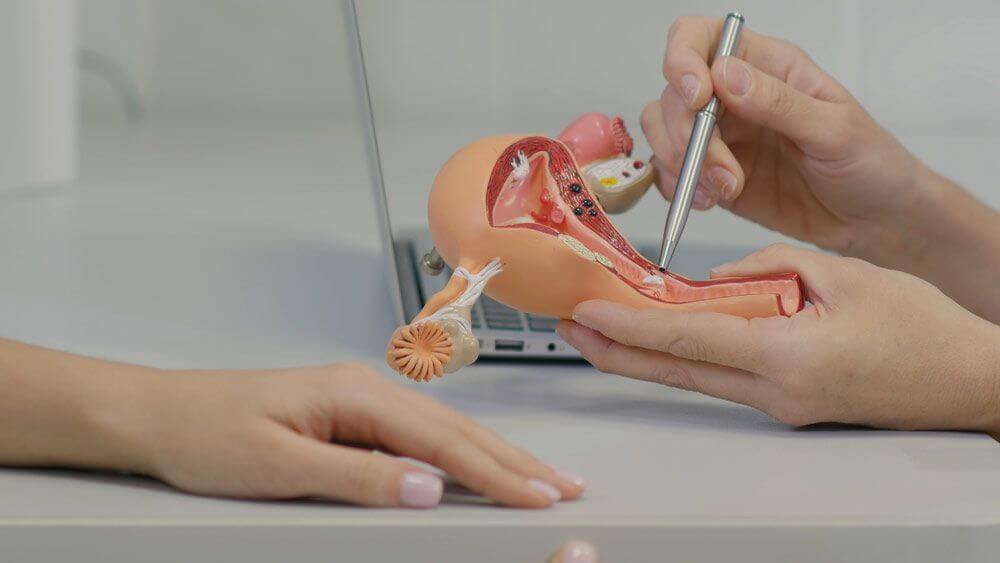
Tubal ligation, also known as getting your tubes tied and tubal sterilization, is a surgical procedure that permanently seals the fallopian tubes, which stops eggs from traveling from the ovaries to the uterus and prevents sperm from reaching the eggs, making it nearly impossible for fertilization to occur. Surgery typically involves cutting and tying the fallopian tubes or blocking the fallopian tubes using a clamp, clip, or band.
Your doctor might also suggest a procedure that completely removes the fallopian tubes, called bilateral salpingectomy. The method used primarily depends on whether it’s performed immediately after childbirth or as a standalone procedure.
Your medical history and individual health concerns, such as potential ovarian cancer risk, can also determine which tubal ligation procedure you have. Women who have already had children and those who have never been pregnant are candidates for tubal ligation, and the surgery can be done at almost any time, including immediately after vaginal childbirth or C-section.
Tubal ligation has an extremely high success rate of preventing pregnancy forever. Some tubal ligation can potentially be reversed, but it requires major surgery and doesn’t always work. Getting tube tied surgery is considered a form of permanent birth control and is only suggested if you are certain you do not want to have children or do not want to become pregnant again.
Is Tubal Ligation a Major Surgery?
While it might sound like getting your tubes tied is a painful, complex medical procedure, not all tubal ligation methods are considered major surgery. It depends on the specific tube-tying procedure you have.
Regardless of the surgery method, getting your tubes tied is major in the sense that it requires careful consideration since it is considered permanent. However, if you’re certain you don’t want to ever be pregnant or become pregnant again, tube-tying surgeries are considered to be a safe and convenient form of contraception, with a very high success rate of preventing pregnancy for the rest of a woman’s life.
Is Tubal Ligation Reversible?
Tubal ligation is considered a permanent form of birth control. However, depending on the sterilization method, getting your tubes tied can sometimes be reversed through tubal ligation reversal, a major surgery that reopens the fallopian tubes in hopes of restoring fertility.
Tubal ligation reversal does not guarantee you will be able to get pregnant. The surgery has a success rate that varies widely, with pregnancy rates ranging from 30% to 80%.
The chances of getting pregnant again after tubal ligation reversal depend on several factors, including:
- Age
- Skill of the surgeon
- Length of the healthy fallopian tube remaining.
- The method used for the original tubal ligation.
Bilateral Salpingectomy
There is another method of female sterilization called bilateral salpingectomy, where both fallopian tubes are completely removed. It comes with additional advantages, such as being the most effective method of tubal ligation for preventing ovarian cancer. However, this method is not reversible with surgery. The only option for becoming pregnant after a bilateral salpingectomy is in vitro fertilization (IVF), assuming the uterus and ovaries are still intact and functional.
Given the complexity and uncertainty of tubal ligation reversal surgery, you shouldn’t rush into the decision to have tube tying surgery. It is important to only move forward once you have considered all possible downsides of tubal ligation and are confident that permanent birth control is the right choice.
Will Tubal Ligation Leave Scars?
The size and final visibility of the scars largely depend on the surgical method chosen, as modern techniques focus on maximizing cosmetic appeal and minimizing incision size.
Laparoscopic Tubal Ligation
This method uses one or two small incisions, usually less than half an inch each. One incision is often hidden in the belly button crease, and the other is placed low in the pubic area. This is the most common tube-tied surgery method, and it leaves the least visible scarring of any tubal ligation procedure.
Mini-Laparotomy
This approach uses one incision, about one to two inches long, usually just below the navel or low on the abdomen. This tube-tying procedure is commonly performed immediately after a vaginal delivery and leaves a single, small scar.
Open Laparotomy
This method involves one incision, usually three to six inches long, on the lower abdomen. If done during a C-section, you use the same incision. Of all tubal ligation procedures, this produces the largest scar, but it requires no additional incision when done alongside a C-section.
Bilateral Salpingectomy
Scar size and location match whichever surgical approach is used, laparoscopic or C-section. This sterilization procedure for women removes the tubes entirely rather than just closing them, so scarring is minimal and discreet with the laparoscopic approach, and there is no extra scarring if done during a C-section.
Do You Still Get a Period After Getting Your Tubes Tied?
It’s logical to wonder how your period works after getting your tubes tied. Many women assume they will not get a period after tubal ligation surgery. However, your period should continue as normal after tubal ligation because the ovaries and uterus are untouched.
To understand why periods continue after getting your tubes tied, remember that tubal ligation is a form of birth control, not a hormonal procedure. The surgery merely blocks the fallopian tubes, preventing the egg from being fertilized by sperm. After a tubal ligation, your ovaries remain active, releasing hormones that trigger your regular menstrual cycle. The eggs that are released simply dissolve and are absorbed by the body, and the subsequent hormone fluctuations trigger the shedding of the uterine lining, meaning the mechanism for your period remains the same.
If you are considering tubal ligation as a form of permanent birth control but hope to no longer have your period, getting your tubes tied will not achieve that goal. You should discuss other forms of birth control with your OBGYN that are more likely to stop or significantly lighten your menstrual cycle, such as hormonal IUDs.
Reasons Women Choose To Get Their Tubes Tied
Every woman has her own reasons for considering permanent birth control. For some, it’s about protecting their health. For others, it’s about peace of mind knowing that pregnancy is no longer a possibility.
Common reasons women get tube tying surgery include:
- Fear of passing down genetic conditions.
- Health issues that could come with a high-risk pregnancy.
- A woman is certain she is done having children or has decided they do not want any.
- Prevention of ovarian cancer, as recent research indicates that many ovarian cancers, particularly high-grade serous carcinomas, likely begin in the fallopian tubes.
Regardless of the reason, it’s vital to be certain that permanent birth control aligns with your future plans. As with any medical decision, the best choice depends on your long-term goals, your health history, and a full discussion with your doctor.
When is the Best Time to Get Your Tubes Tied?
The best time to get your tubes tied is a personal decision that depends on your life circumstances and certainty that you do not want to have any more children or do not want to have children at all. A large majority of women get their tubes tied postpartum, either immediately after giving birth or at a later time, at least 6 weeks after they have recovered from delivering their baby.
Many women also choose to have a tubal ligation as an outpatient procedure unrelated to pregnancy. This is referred to as interval tubal ligation. One thing you might want to consider when determining when to get your tubes tied is that timing often determines which surgical method is used.
Pros and Cons of Tubal Ligation
The biggest advantage of getting your tubes tied is that it is convenient and extremely effective for preventing pregnancy, forever. The biggest disadvantage is the same; it means that you won’t be able to get pregnant again. Therefore, the very first thing you need to do is ensure this is what you really want. There are other pros and cons of tubal ligation to consider. It’s crucial to be aware of them all and not rush into a decision. Take your time weighing out the pros and cons of getting your tubes tied vs other forms of birth control.
The Pros of Tubal Ligation
There are various advantages of getting your tubes tied to consider that are different from what other forms of non-permanent birth control offer. The benefits of getting tubes tied include:
The Cons of Tubal Ligation
While tubal ligation is safe and effective, it’s not without potential downsides and risks. There are also disadvantages to consider, from the permanence of the procedure to the risks that come with surgery.
Post-Tubal Ligation Syndrome (PTLS): Is it Real?
Post-Tubal Ligation Syndrome (PTLS) is a controversial topic in the medical community. It is a collection of symptoms that some women report experiencing after a tubal ligation, which they attribute to the procedure.
Symptoms of Post-Tubal Ligation Syndrome
- Pelvic pain
- Heavier or more painful periods
- Hormonal changes, such as hot flashes or mood swings
- Painful intercourse (dyspareunia)
The medical consensus is that there is no definitive scientific evidence to prove that PTLS is a distinct, diagnosable medical condition caused by tubal ligation. Many of the reported symptoms are common gynecological issues that can occur in women regardless of whether they have had a tubal ligation.
The symptoms are often attributed to other causes, such as the discontinuation of hormonal birth control, which can mask pre-existing menstrual issues, or the natural aging process. However, the lack of a formal diagnosis does not invalidate the experiences of women who report these symptoms.
The medical community continues to study the long-term effects of tubal ligation, and it is important for patients to discuss any new or concerning symptoms with their doctor to rule out other causes and receive appropriate care.
When to Seek Medical Advice for Post-Tubal Ligation Syndrome
If you’ve had a tubal ligation and are experiencing symptoms many describe as PTLS, it’s important to talk to your OBGYN or get a second opinion if your concerns have been dismissed. A knowledgeable OBGYN can help determine whether your symptoms could be related to your tubal ligation surgery or if there is a different underlying cause, such as PCOS, a hormone imbalance, or endometriosis.
What to Expect Before, During, and After Tubal Ligation Surgery
How to Prepare for Tubal Ligation Surgery
Preparing for tubal ligation surgery involves a few important steps to make sure everything goes as planned. By following these steps, you’ll be well-prepared for your tubal ligation surgery, helping ensure a smoother process and faster recovery.
Consult with Your Healthcare Provider
- Make an Informed Decision: Talk in detail with your doctor about the procedure. Understand the risks, benefits, and that tubal ligation is a permanent decision.
- Ask Questions: Clear up any doubts about the surgery, recovery time, and what to expect long-term.
- Medical History Review: Share your complete medical history with your doctor to avoid any potential complications.
Preoperative Instructions
- Fasting Requirements: Per your medical team’s guidelines, you may need to fast for a period before surgery.
- Medication Adjustments: You might need to stop certain medications or supplements before the procedure, like blood thinners. Your doctor will give you specific instructions.
- Pre-Surgery Tests: Be ready for any preoperative tests, such as blood work or imaging, that your doctor might order.
Home Preparation
- Arrange Transportation: Make sure you have someone to take you to and from the hospital.
- Prepare Your Recovery Space: Set up a cozy area at home for rest. Have pain relievers, easy-to-make meals, and plenty of fluids on hand.
What Happens During Tubes Tied Surgery
Learn more about the gynecological procedures we perform at our Brentwood office.
Some details on the day of surgery may look a little different depending on which method you’re having. Regardless, you’ll follow your provider’s instructions closely to ensure the safest and smoothest experience.
- Follow Instructions: Stick to any specific instructions for the day of surgery, like avoiding jewelry or makeup.
- Wear Comfortable Clothing: Wear loose, comfy clothes to keep you at ease before and after the procedure.
Tubal Ligation Recovery
After your tubal ligation, you’ll be moved to a recovery area where medical staff will monitor you. The length of your hospital stay depends on the type of procedure you had.
- Laparoscopic Tubal Ligation: Most patients go home the same day, often within a few hours. Recovery at home is usually quick, with most women feeling back to normal within 3 to 7 days.
- Mini-Laparotomy: Typically requires staying overnight in the hospital. At home, recovery usually takes 1 to 2 weeks.
- Laparotomy: Requires at least one to two nights in the hospital. Full recovery at home may take 4 to 6 weeks because of the larger incision and longer healing time.
- Post-Childbirth Tubal Ligation: If the procedure is done immediately after delivery, recovery is built into the postpartum hospital stay. At-home healing usually follows your overall childbirth recovery timeline.
Common Post-Surgery Guidelines and Restrictions
In general, most women are advised to follow these common post-surgery guidelines:
- Incision Care: Keep the incision site clean and dry. Avoid baths, swimming, or hot tubs until your doctor clears you.
- Showering: You can usually shower right away, but avoid soaking in a bath or swimming for about two weeks to allow your incision to heal.
- Driving: Avoid driving for at least 24 hours after anesthesia or until you feel comfortable moving without pain medications.
- Sexual Activity: Most providers recommend waiting about one week, or longer if you had the procedure after childbirth, until your doctor confirms healing.
- Activity: Light activity is usually fine after a few days, but avoid heavy lifting or strenuous exercise for one to two weeks after laparoscopic surgery. More invasive procedures may require a longer rest period, and if the procedure was done right after childbirth, avoid lifting more than your baby for at least four weeks.
- Alcohol: Don’t drink alcohol for at least 24 hours after tube tying surgery.
- Follow-Up: Keep your post-op appointment so your provider can check healing, remove stitches if needed, and clear you for normal activity.
Managing Discomfort After Tubal Ligation Surgery
Here are the most common types of discomfort and what to expect:
- General Pain: Mild cramping or soreness around the incision sites is common for the first few days. This usually improves quickly and can be managed with over-the-counter pain relievers or medication prescribed by your doctor.
- Gas Pain: You might feel discomfort in your shoulder or chest from the gas used in the laparoscopic procedure. This is normal and usually resolves within a day or two.
- Managing Emotional and Psychological Aspects: While the physical recovery is important, it’s also normal to experience a range of emotions after a permanent procedure. Some women feel relief and peace of mind, while others may experience temporary regret or sadness, especially if the decision was made under duress or quickly. If you experience persistent feelings of depression, anxiety, or regret, it is important to seek support from a mental health professional or your doctor.
Frequently Asked Questions About Tubal Ligation
Final Thoughts
Deciding to get your tubes tied is a significant, life-changing decision. While the procedure itself can sound intimidating, with minimally invasive options, the procedure is generally quick, low-risk, and offers a permanent, highly effective form of birth control.